
Tree Pruning and Home Insurance
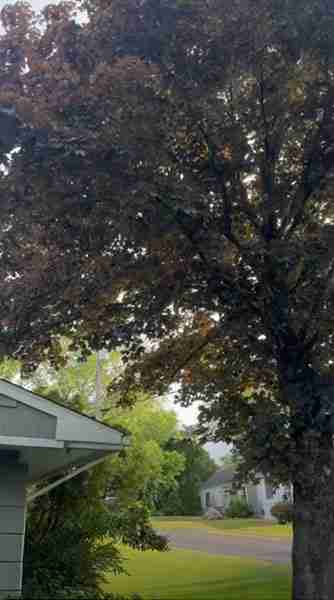
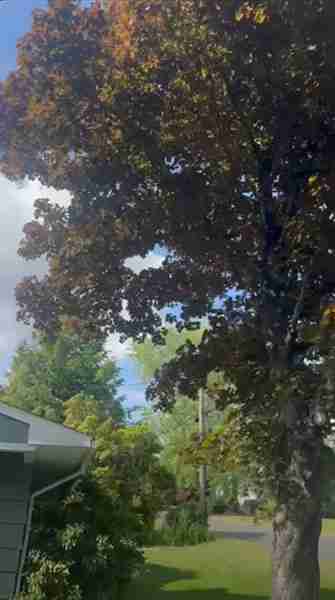
Most homeowners appreciate the beauty, shade, and value that mature trees add to their property. But if those trees are growing too close to your home, like this tree in Harwinton was, they may also attract the attention of your insurance company. Tree pruning and home insurance both need to be considered for safety and to help protect your insurance coverage.
Overhanging Tree Branches Can Put More Than Your Roof at Risk
Across the country more homeowners are receiving letters from their insurance carriers requiring them to prune or remove trees that pose a risk to their homes. Failure to complete the recommended work can result in higher premiums, non-renewal of a policy, or difficulty obtaining coverage elsewhere. This trend has become more common as insurance companies work to reduce costly claims related to falling limbs, storm damage, and preventable property losses.
Why Insurance Companies Are Paying Closer Attention to Trees
Insurance companies today use a combination of property inspections, aerial photography, satellite imagery, and even drones to evaluate risk. One of the first things they’re looking for is tree branches hanging over or touching a home’s roof.
Branches that rub against shingles can wear away roofing materials, and clog gutters with leaves and debris. They can also provide easy access for squirrels and other wildlife. And branches can create a significant hazard during wind, snow, or ice storms. Dead, damaged, or structurally weak limbs are especially concerning because they can fall without warning, causing thousands of dollars in damage. As repair costs continue to rise, insurers are putting greater emphasis on preventing these losses before they occur.

Professional Pruning Protects Both Your Home and Your Trees
Receiving a notice from your insurance company doesn’t necessarily mean a tree needs to be removed. In many cases, strategic pruning by an experienced tree care professional can resolve the issue while preserving the health and beauty of the tree.
Proper pruning removes hazardous limbs, improves clearance over the roof and reduces the chance of storm damage. Pruning also allows the tree to continue growing with a stronger, healthier structure. As certified tree care professionals, we understand how much can safely be removed without stressing the tree or creating long-term health problems.
For large maples and other mature shade trees growing close to a home, specialized climbing techniques or aerial lifts are often needed. This ensures that we can safely access the canopy and make precise cuts without damaging the property below.
Stay Ahead of Tree Pruning and Home Insurance Problems
The best time to address potential hazards is before your insurance company contacts you. Having your trees professionally inspected every few years—and after major storms—can identify problems before they become expensive repairs or insurance concerns.
If you’ve already received a notice from your insurance company, don’t wait until the deadline is approaching. Scheduling the work early gives us time to complete the required pruning. You can then document the completed work and provide photos or invoices if your insurer requests proof.
Healthy, well-maintained trees not only enhance your property’s appearance, they also reduce liability, protect your home, and help ensure your homeowner’s insurance remains in good standing.
If you have mature trees growing near your home, contact us for a professional evaluation. Our experienced teams can safely prune or remove hazardous limbs while preserving the health of your trees and helping you protect one of your biggest investments.